

Clara Nartey

Clara Nartey

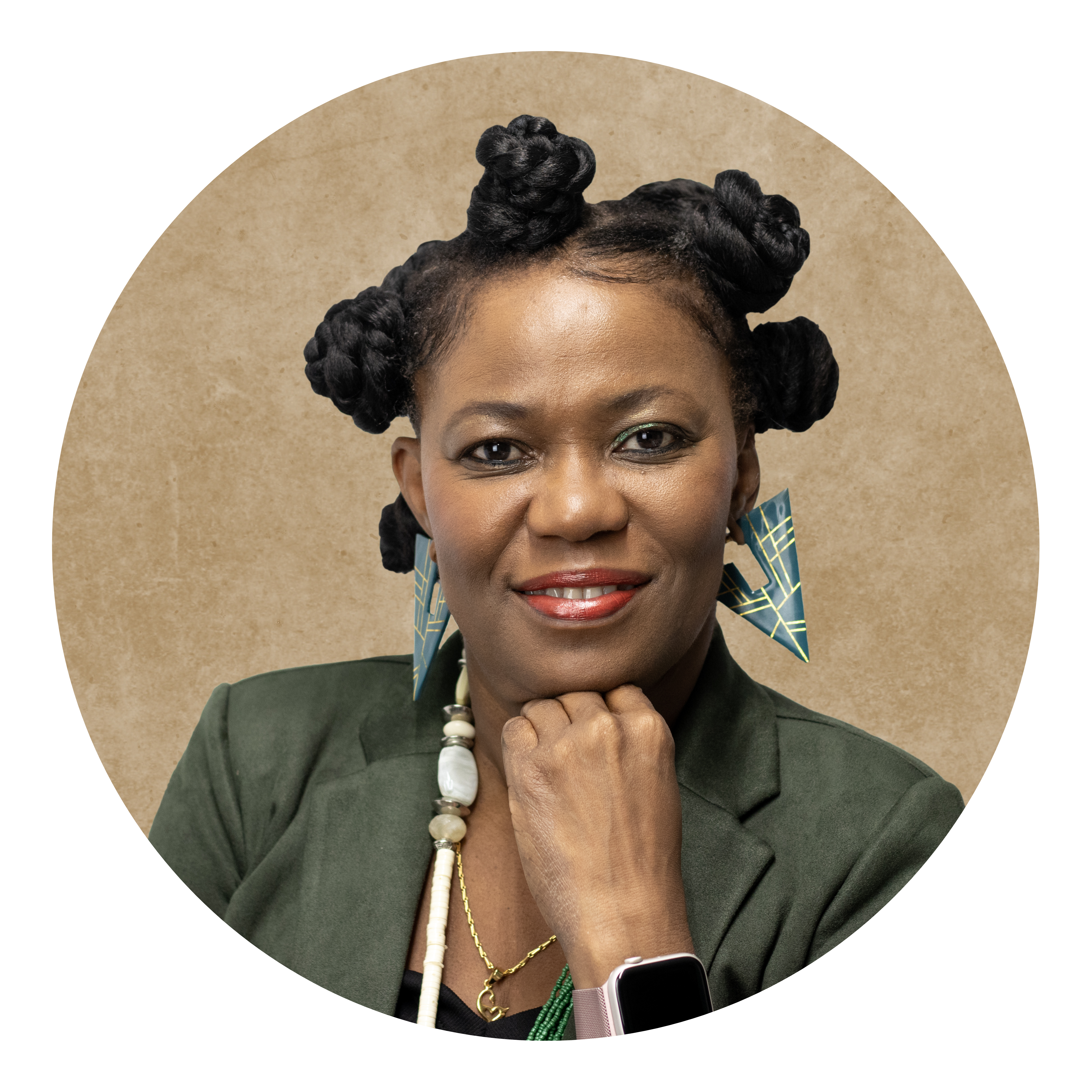
Clara Nartey (b. Accra, Ghana) lives and works in New Haven, Connecticut.

She has a Masters in Business Administration from Clarkson University and a B.Sc. in Computer Science, and Statistics from University of Ghana. Nartey spent the first part of her career working with large corporations as a management consultant. Then, she went on to develop a rigorous self-taught art practice. Her unique artistic style meshes drawing using threads, with digital painting, machine embroidery, and quilting on the artist’s own designed and printed textiles.

Nartey’s bold, colorful, and textured figurative works have been exhibited widely. Her exhibitions include The Joy of Living II, Yale School of Management, New Haven, CT; Fabric of Identity, Anderson Gallery – Bridgewater State University, Bridgewater, MA; The Joy of Living I, Heather Gaudio Fine Art, New Canaan, CT; Art Evolved, Yellowstone Art Museum, Billings, Montana; Everyday Stories, Ball and Socket Arts, Cheshire, CT.

Her work is held in both private and institutional collections. Notable educational institutions like Yale School of Management, which owns multiple pieces, Southern Connecticut State University, and Dana Hall School, not only have permanent installations of Nartey’s work but have also incorporated her work into their curricula as educational tools for raising the next generation of leaders.

Catalogues

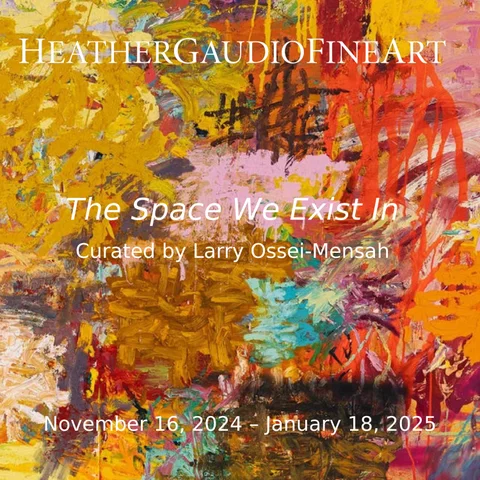
Heather Gaudio Fine Art presents The Space We Exist In, a group exhibition curated by Ghanaian-American curator Larry Ossei-Mensah. Featuring seven artists, the show runs from November 16, 2024, to January 18, 2025.
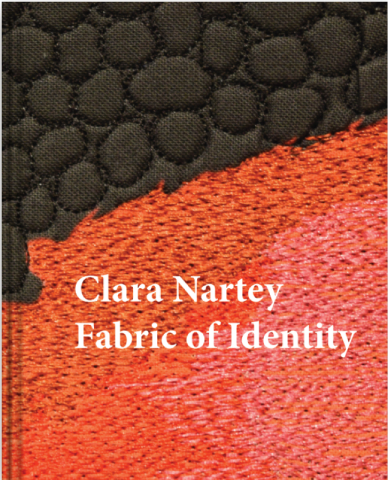
Identity is a powerful currency, creating bonds of belonging or sending unmistakable signs of exclusion. In the realm of human experience, a fundamental truth prevails.

My work explores Black women's hair stories, tracing ancestral traditions and their survival today. It examines Eurocentric beauty standards and how Black women respond—by rebelling, conforming, or adapting.